September 28, 2026
What Does It Mean for New Investors When Over 80% of Phase One Is Already Sold?


When an investor considers a project being developed in multiple phases, the percentage of apartments already sold is more than just a sales statistic.
It indicates where the project currently stands in its sales cycle and how the position of a new investor differs from that of buyers who entered the project earlier.
At the beginning of a sales phase, investors typically have a broader choice: different floors, orientations, sizes, views and apartment positions. As sales progress, part of that inventory gradually leaves the market and the structure of the available units changes.
This is why a situation in which more than 80% of a phase has already been sold is not the same as when sales have only just opened.
A buyer entering at the beginning of a phase can choose from almost the entire inventory. An investor entering later is making a decision at a point when a large number of apartments have already been sold, the selection is narrower, and the project is at a different stage of development and sales.
At the same time, prices may also change as the project develops. This means that early and later investors may not have the same entry conditions, even when considering apartments within a similar category.
This does not necessarily mean that entering later is less attractive. It means that an investor should understand what has changed in the meantime: how many apartments remain, what the remaining inventory looks like, which stage the project has reached, and where current prices stand.
In other words, it is not only important what you buy, but also at what point in the development and sales cycle you enter the project.

When we say that more than 80% of a phase has been sold, the most direct consequence is simple: the majority of apartments within that phase are no longer available.
But for an investor, the total number of remaining units is not the only important factor.
What also matters is which units are still available.
Two apartments within the same category can differ in terms of floor, orientation, view, size or position within the building. This is why broad availability at the beginning of a sales phase allows investors to choose from a greater number of combinations of these characteristics.
As the phase progresses, the selection becomes narrower. Certain categories, floors or positions may have lower availability than others simply because some apartments have already found their buyers.
An investor entering later can still find an apartment that meets their criteria, but no longer has the same level of choice that existed at the beginning of the sales process.
This also changes the way the current inventory is assessed. When availability is high, an investor can first define their criteria and then search among numerous options for the apartment that best matches them. Once a large part of the phase has been sold, the process starts with the apartments that are actually still available and identifying the best combination of characteristics among them.
This is precisely why investors do not only ask “Are there still apartments available?”, but also “Which apartments are still available?”
This is particularly important in projects developed in phases, because once a unit has been sold, it is no longer part of the future inventory of that phase.

In real estate, sales momentum reflects the pace at which inventory is being sold and how quickly availability is changing.
For investors, this information is useful because it shows that today’s inventory may not remain the same in the future. The faster sales progress, the faster the available options can change.
This is why sales momentum is considered alongside location, price, construction stage, project quality and the management model. Its practical value lies in showing investors how quickly their range of choice is changing.

.jpg)
In a project developed through multiple phases, each phase represents a new point of entry, but not necessarily under the same conditions.
Entering earlier generally means a broader selection within a particular phase, while entering later may mean more limited availability and a different price position.
This is why the timing of entry matters in phased sales: it affects the combination of price, availability and choice available to an investor at that particular moment.



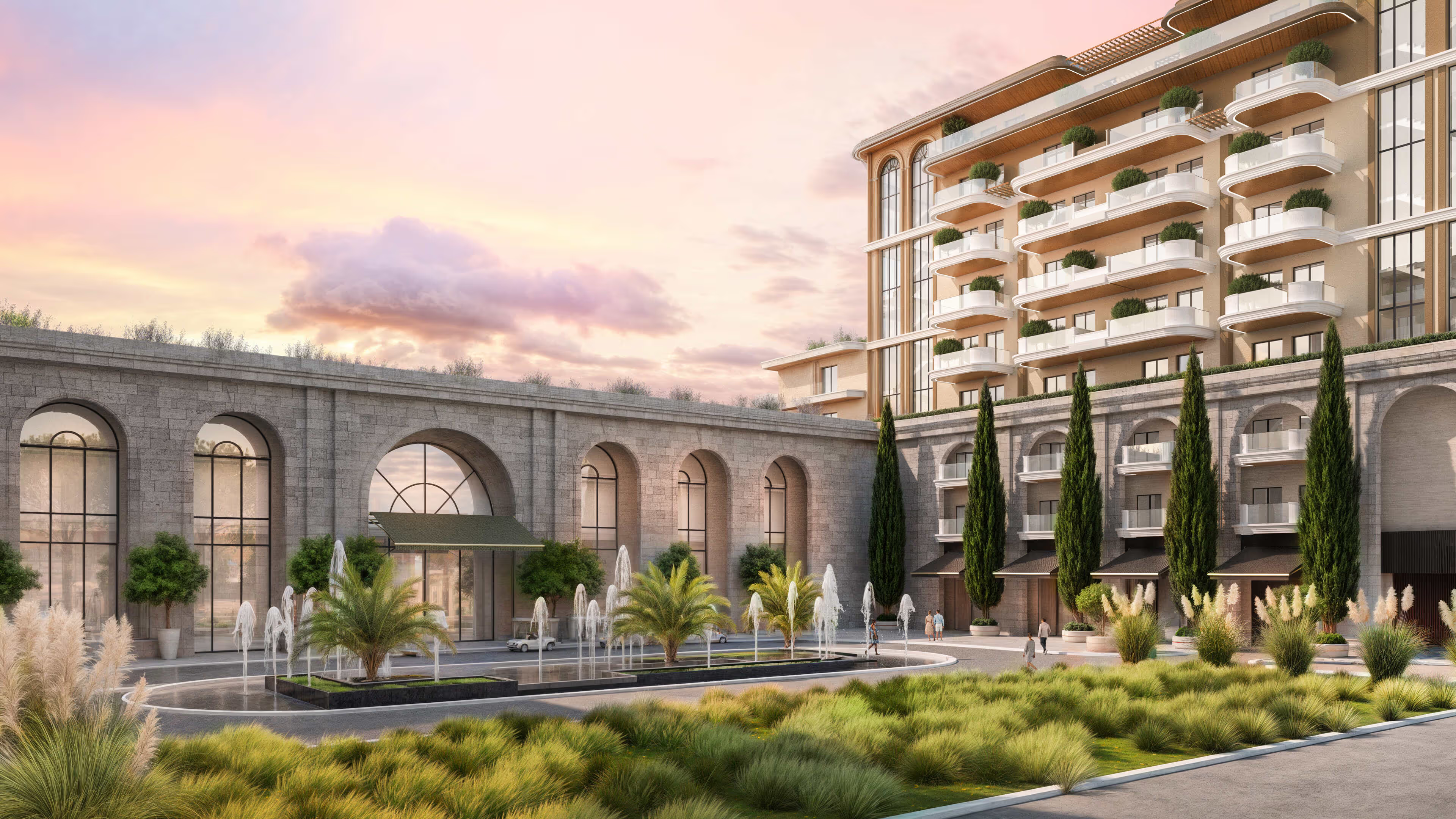
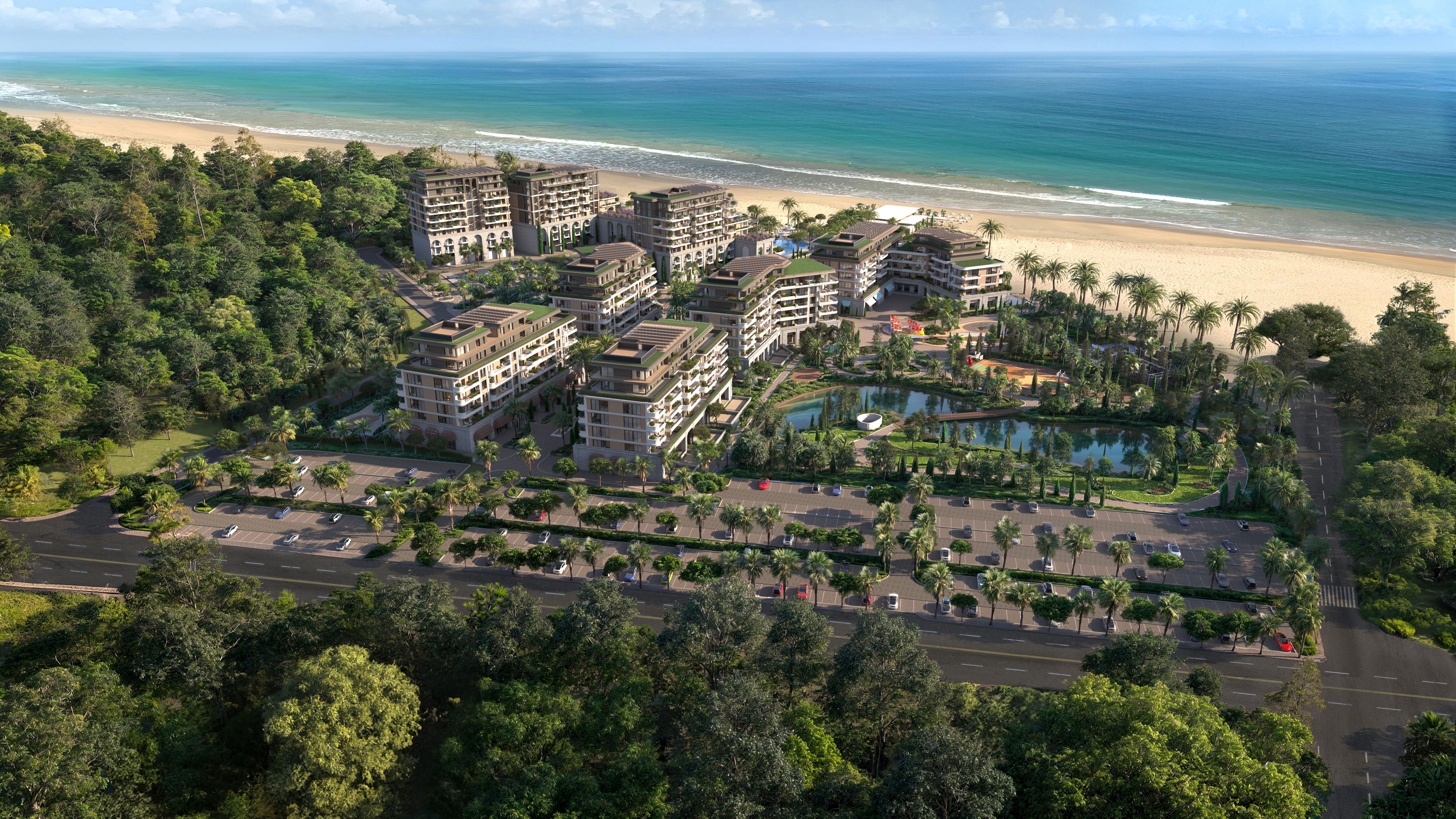
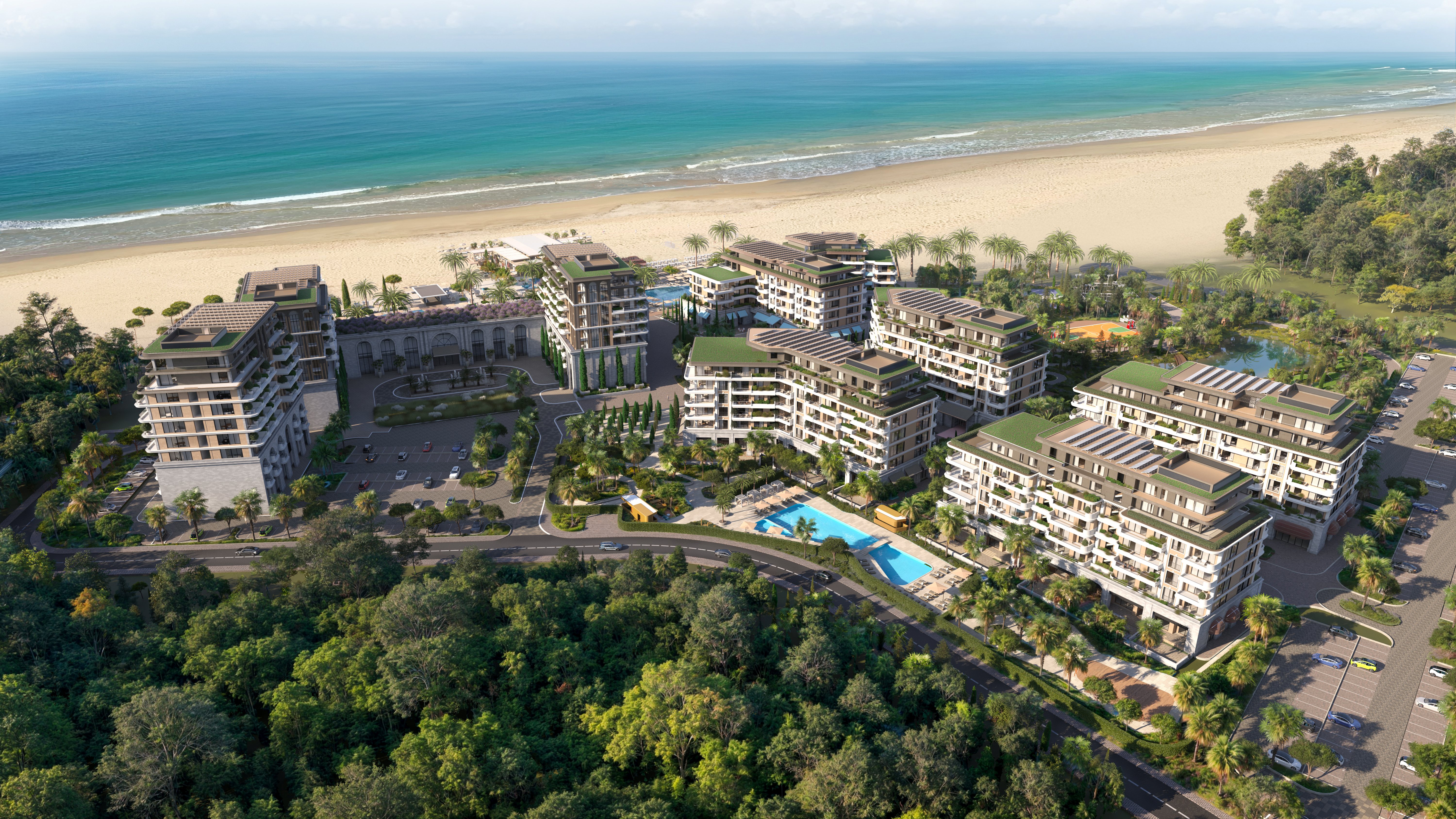
At Porta Rai Beachfront Hotel & Residences, more than 80% of the apartments in Phase One have already been sold.
For new investors, this figure should primarily be viewed in terms of what has changed since sales first began.
First, availability within Phase One is now significantly lower. A large proportion of the apartments already have owners, meaning new buyers are choosing from a narrower selection of remaining units. As a result, the availability of specific sizes, floors, orientations and apartment positions becomes an increasingly important part of the decision.
Second, the project is being sold in three phases, and prices are not designed to remain static throughout the entire development. As construction and sales progress, prices are adjusted periodically, while the starting price per square metre of each new phase is planned to be 20% higher than the starting price of the previous phase.
This means that an investor considering Porta Rai today is not looking at the same offering that existed at the very beginning of Phase One, either in terms of availability or price positioning.
Third, with more than 80% of Phase One sold, the project is already at a more advanced point in its sales cycle. For someone looking for a particular size, floor, orientation, view or apartment position, availability therefore becomes an increasingly specific consideration.
At the same time, phased development means that the completion of sales within one phase does not mark the end of the project’s overall inventory. Future phases bring new apartments to the market, but at a different point in the project’s development and with a different starting price position.
This creates a clear distinction between entering early, entering during the later part of an existing phase, and entering in a subsequent phase.
Each of these points can offer a different combination of price, availability and choice.
For a new investor, it is therefore not enough to know only how much of the project has been sold. It is important to understand what is still available today, how current pricing differs from earlier price levels, and what the next phase may change in relation to the existing offering.
The fact that more than 80% of Phase One has been sold is therefore relevant not only as an indicator of previous sales. Its practical significance for a new investor lies in showing how much the current offering has already changed and how much room for choice remains before the sales focus shifts further towards the next phases of the project.
It means that the majority of apartments in Phase One have already been sold and that the selection of remaining units is narrower than it was at the beginning of sales.
Yes. As sales progress, the number of available combinations of floors, orientations, sizes, views and apartment positions decreases.
Sales momentum describes the pace of sales and indicates how quickly inventory changes over time. Investors can monitor it to better understand current availability within a project.
At Porta Rai, prices are adjusted periodically as development and sales progress. The starting price per square metre of each new phase is planned to be 20% higher than the starting price of the previous phase.
Because each phase has its own inventory, while availability within an existing phase decreases as apartments are sold. The timing of entry can therefore affect the range of choices available to an investor.
No. A new phase represents a new stage in the project’s sales cycle, and its starting price position does not have to be the same as that of the previous phase. At Porta Rai, the starting price per square metre of each new phase is planned to be 20% higher than the starting price of the previous phase.
More than 80% of the apartments in Phase One have already been sold, which means that the number of available units in this phase is now significantly lower than it was at the beginning of sales.