October 5, 2026
Why Investing in Real Estate in Montenegro Can Be Part of a Capital Diversification Strategy


In the world of investing, one of the most important decisions is not simply how much capital to invest, but how to allocate it in a way that supports long-term financial goals.
This is why capital diversification plays a significant role in investment strategies. It involves allocating investments with the aim of reducing risk concentration and creating a more balanced asset structure.
In this context, real estate investment represents an opportunity for long-term capital allocation, particularly in markets that offer a combination of attractive locations, tourism demand, and development prospects.
Unlike decisions based solely on short-term market movements, investing in real estate involves evaluating a tangible asset, its location, intended purpose, and potential over an extended period.
Investors can therefore view real estate not only in terms of its current purchase price but also through the role it may play in their overall capital structure.
Properties in tourist destinations can be particularly appealing, as ownership of a tangible asset can be combined with professionally organized rental operations and the potential for long-term destination development.
For this reason, investing in real estate in Montenegro can be an attractive component of a capital diversification strategy, especially for investors looking to expand their holdings through properties along the Adriatic coast.
Such a decision involves more than selecting an apartment. It requires an understanding of the market, the quality of the development, and how a particular property can contribute to long-term investment objectives.
Real estate holds a distinctive position in investment strategies because it represents a tangible asset whose value is influenced by its location, construction quality, market demand, and intended use.
For investors seeking to expand their existing portfolios, purchasing property can provide an opportunity to allocate capital to an asset with a clearly defined purpose and a long-term investment horizon.
However, not all real estate investments are the same.
An apartment in an established tourist destination, a property in an area undergoing significant development, and an apartment within a professionally managed hotel system may offer different characteristics, management models, and potential sources of return.
When investing, it is therefore important to understand the role a particular property is intended to play within an investment portfolio.
One potential benefit is generating income through tourist rentals. For such properties, financial performance depends on accommodation demand, nightly rates, operating costs, and the management model.
Another potential benefit is the change in a property's market value over time. This may be influenced by infrastructure development, the increasing attractiveness of the destination, the quality of the project, and the balance between supply and demand.
A particular advantage of real estate investment lies in the possibility of combining two important investment opportunities: rental income and long-term capital appreciation.
In tourist properties, these two elements can complement each other. While professionally managed rentals allow a property to participate in the destination's tourism market, improvements in the location, infrastructure, and available amenities can contribute to its long-term market appeal.
This combination makes real estate in promising tourist destinations attractive to investors seeking to allocate capital to assets with long-term potential.
Viewed from this perspective, a property becomes more than an individual purchase. It becomes part of a thoughtful approach to capital allocation and wealth management.


In addition to capital allocation, investors may also consider geographic diversification, which involves investing in real estate across different markets.
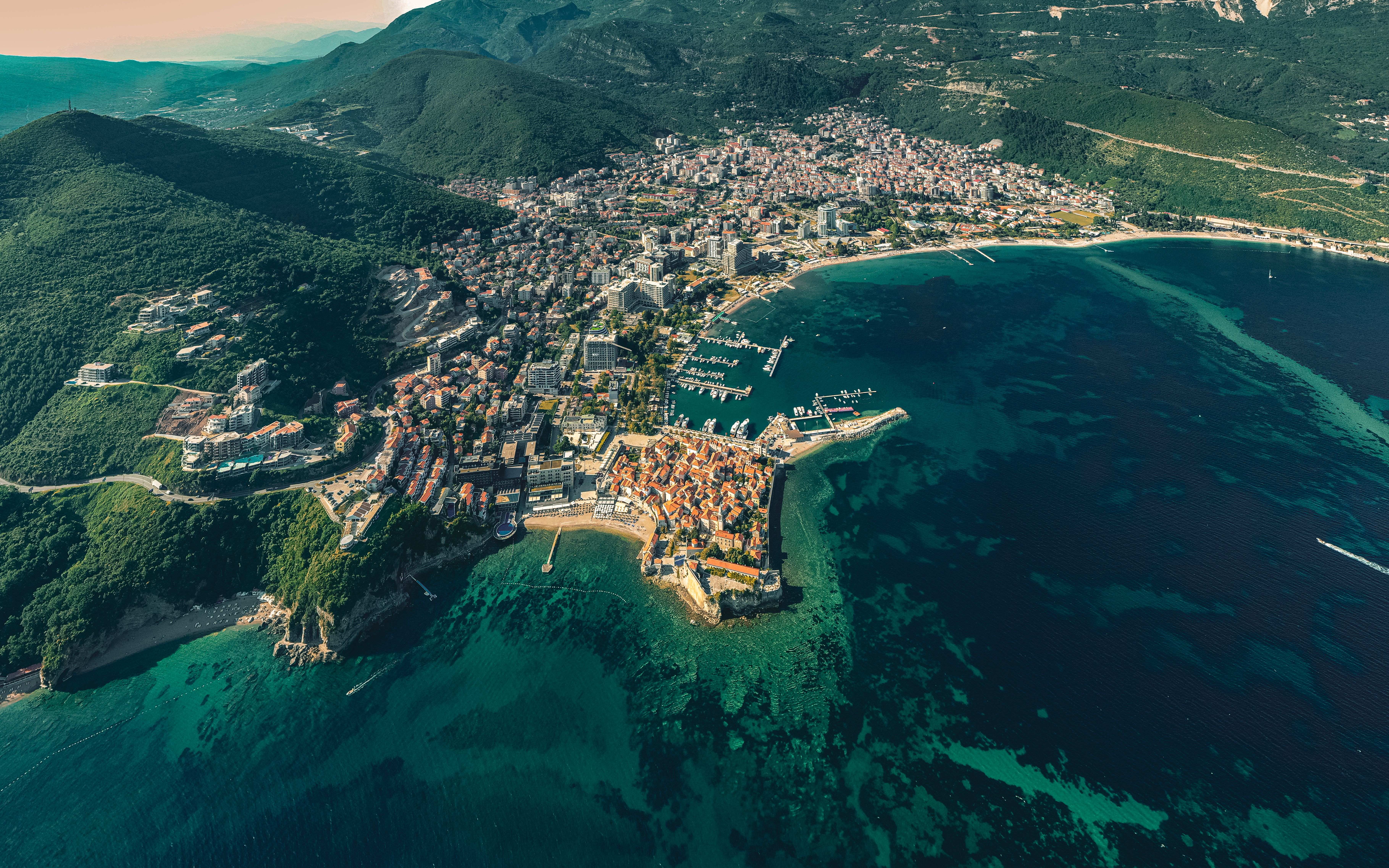
Montenegro can be particularly interesting in this context due to its Adriatic location, tourism-oriented economy, and the ongoing development of its coastal destinations.
According to MONSTAT, Montenegro recorded approximately 2.73 million tourist arrivals and 15.37 million overnight stays in 2025, with the majority of overnight stays taking place in coastal destinations.
These figures highlight the importance of tourism to Montenegro's coastline and provide valuable context for investors considering properties intended for tourist rentals.
Geographic diversification is therefore more than simply investing in another country. It offers an opportunity to allocate capital to a market where development, infrastructure, and tourism offerings contribute to the destination's long-term appeal.


Beyond location, the property management model is becoming an increasingly important consideration in investment decisions.
A professionally organized hotel system allows tourist rentals, reservations, guest communication, and day-to-day maintenance to be managed through a unified operational structure.
For investors, this model combines individual property ownership with the experience and organizational capabilities of a hotel operator.
As a result, the property becomes part of a professionally managed hospitality offering, allowing owners to focus on their long-term investment strategy.



When real estate investment in Montenegro is viewed as part of a broader capital diversification strategy, projects that combine individual ownership with professional hotel management can be particularly appealing.
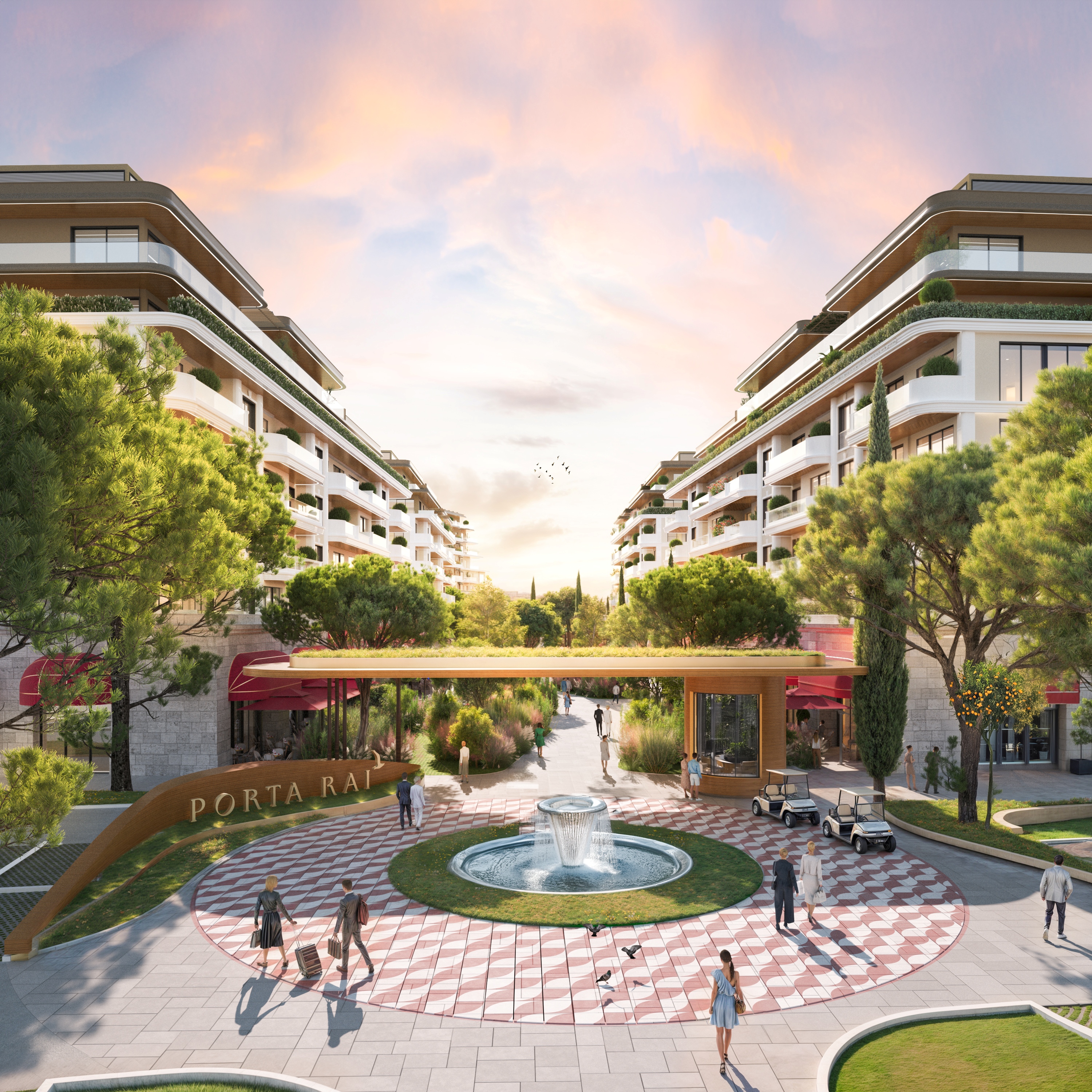
One such development is Porta Rai Beachfront Hotel & Residences, a five-star hotel resort being developed directly on Velika Plaža beach in Ulcinj, on the beachfront.
Porta Rai follows a condo hotel model, in which investors purchase individually owned apartments while tourist rentals are organized through the hotel's operating system.
For investors looking to expand their portfolios, this concept represents a distinctive form of real estate investment, combining ownership of a tangible asset with professionally organized hotel operations.
The hotel operator, Karisma Hotels & Resorts, is responsible for hotel operations and tourist rental management. This means owners do not need to personally handle reservations, guest communication, cleaning, apartment maintenance, or other daily operational activities.
This allows investors to own a property intended for tourist rentals without having to manage its day-to-day operations themselves.
Porta Rai is being developed across approximately 10 hectares, with hotel buildings occupying around two hectares, while the remaining space is dedicated to natural surroundings, landscaped green areas, walking paths, and supporting amenities.
The resort concept includes approximately 300 meters of private sandy beach, seven swimming pools, a SPA & Wellness center with an indoor pool, sports courts, restaurants, bars, retail facilities, and other hotel services.
An important aspect of the concept is the development of a destination that is not focused exclusively on the summer season. Facilities designed to operate throughout the year form part of Porta Rai's strategy to position itself as a 365-day destination.
For investors, this means that a purchase decision is based not only on the characteristics of an individual apartment but also on the quality of the hotel concept, professional management, and the destination's long-term development.
Investing in real estate in Montenegro can therefore represent much more than purchasing an apartment in an attractive location. It can become part of a thoughtful capital diversification strategy that brings together property ownership, tourist rental potential, and long-term destination development.
Porta Rai brings these elements together: a prime beachfront location on Velika Plaža, a five-star hotel resort, professional management by Karisma Hotels & Resorts, and a resort concept designed for year-round operation. For investors seeking to expand their portfolios with a property on Montenegro's Adriatic coast, this combination represents an investment opportunity worthy of consideration.
Capital diversification involves allocating investments with the aim of reducing risk concentration and creating a more balanced asset structure.
Real estate represents a tangible asset that can play a long-term investment role. Depending on its purpose and market conditions, it may offer the potential for rental income and changes in market value.
It can be, particularly for investors looking to expand their existing portfolios by investing in another geographic market. In this way, real estate investment in Montenegro can become part of a broader capital allocation strategy.
Important factors include location, construction quality, tourism demand, purchase price, infrastructure, the management model, and the destination's long-term development.
The management model determines how tourist rentals, reservations, maintenance, and other operational activities are organized. Professional management allows owners to hold property without having to personally oversee daily hotel operations.
The hotel operator of Porta Rai is Karisma Hotels & Resorts, the company responsible for organizing hotel operations and managing tourist rentals.
Yes. Buyers acquire individual ownership of a specific apartment, which is registered in their name in the real estate cadastre as 1/1 ownership once the relevant requirements have been fulfilled.
Professionally managed hotel apartments combine individual ownership with organized tourist rentals, hotel services, and professional maintenance. This concept can be particularly appealing to investors looking to expand their portfolios with a property intended for the tourism market.