June 10, 2026
What Happens to Real Estate Markets as Countries Move Closer to EU Membership?


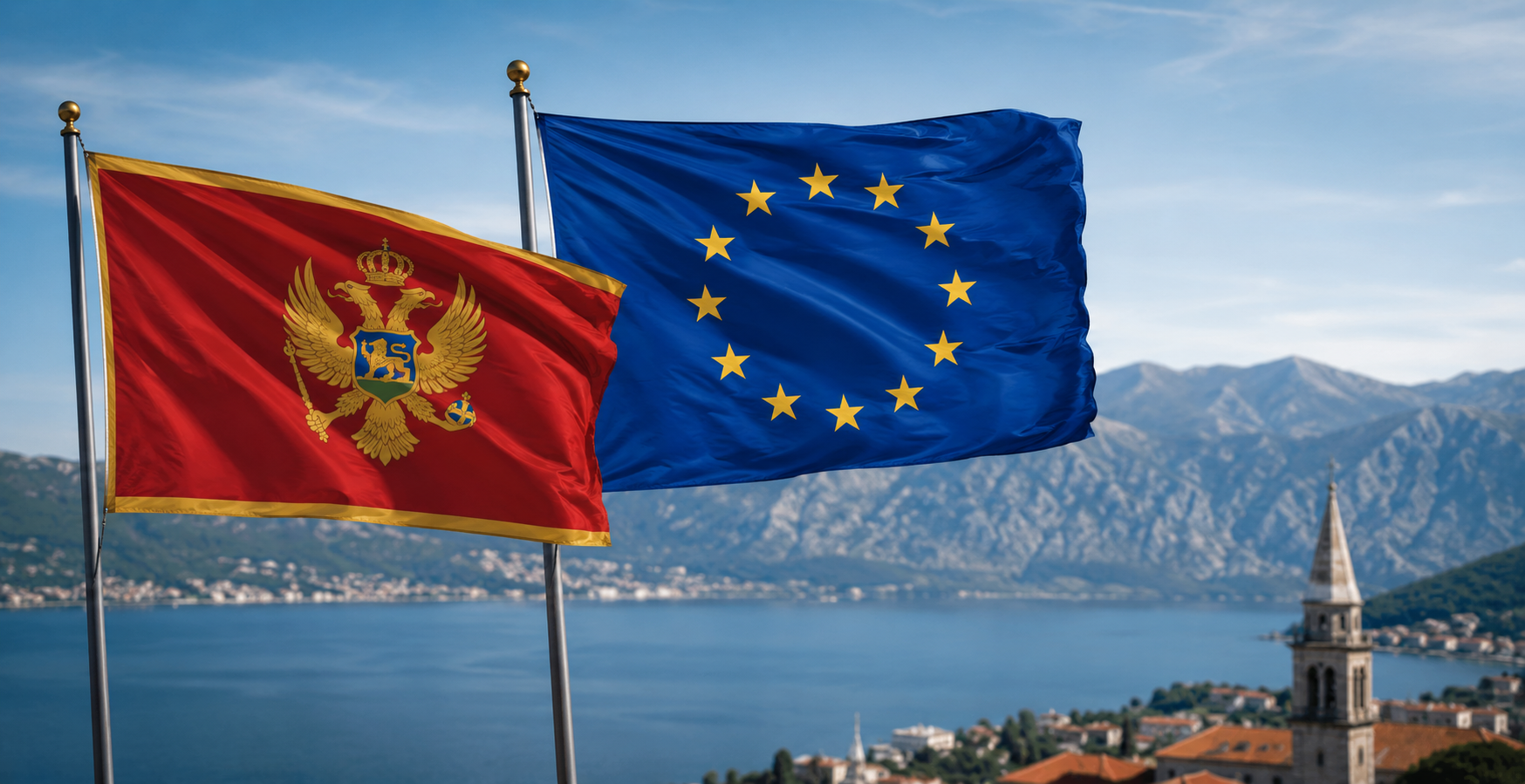
When investors assess the potential of a real estate market, one of the factors they often consider is the broader economic and institutional development of a country.
This is why investors frequently ask the following question:
How have real estate markets behaved in countries going through the process of European Union integration?
While every country has its own specific characteristics and no scenario can be replicated entirely, the experiences of several European markets provide valuable insights.
The process of moving closer to the European Union usually involves a series of economic, regulatory, and institutional reforms.
For investors, this often signals greater stability, increased international visibility, and long-term market development.
As a result, real estate markets in candidate countries often attract additional investor attention, particularly during key phases of the integration process.
It is important to note that EU membership itself is not the only factor influencing real estate markets. Infrastructure development, economic growth, tourism, foreign investment, and local demand often play equally important roles.

When analyzing markets such as Croatia, Slovenia, and several countries in Central and Eastern Europe, a common pattern can be observed.
As international interest in these markets increased, demand for real estate also grew, particularly in attractive locations.
Historical data shows that investors often entered these markets long before formal EU membership, seeking opportunities while prices remained more competitive compared to developed European markets.
In other words, investors did not wait for the process to be completed—they monitored market trends throughout the entire transformation period.
Croatia represents one of the most frequently analyzed examples in the region.
During the years leading up to its accession to the European Union, Croatia’s real estate market attracted growing attention from both domestic and international investors.
Coastal locations were particularly attractive, where the combination of limited supply, tourism development, and growing international recognition led to increased buyer interest.
Of course, market movements were not influenced solely by EU-related processes. Infrastructure projects, tourism sector growth, and broader economic developments also played an important role.
However, Croatia’s experience is often cited as an example of how a market can respond when investors recognize the long-term development potential of a destination.

One of the fundamental principles of investing is identifying opportunities before they become widely recognized.
By the time a market reaches full maturity, much of its growth potential has often already been realized.
For this reason, investors frequently analyze countries undergoing rapid development and institutional change, looking for markets that still offer room for growth.
This is precisely why many investors today are closely monitoring markets such as Montenegro.

Montenegro has been progressing through the European integration process for years and is often regarded as the country that has advanced the furthest among EU candidate states in the region.
At the same time, Montenegro’s coastal real estate market continues to offer entry prices that are, in many cases, lower than those of numerous comparable Mediterranean destinations.
As a result, investors increasingly ask whether today represents a stage that, in a few years, may be viewed as an early phase of market development.



Real estate market analyses suggest that the process of moving closer to the European Union can contribute to increased investor interest for several reasons:
It is important to emphasize that none of these factors individually guarantees an increase in property values.
However, the combination of these elements is often what encourages investors to begin monitoring certain markets more closely.
Investors evaluating projects on Montenegro’s coast are not looking solely at the property itself.
They consider:
Porta Rai, a beachfront condo & resort project with prices starting from €4,350/m² (+ VAT) and apartments from €180,000, is an example of a project operating within a market that investors are following with increasing attention.
Historical data shows that investors have often paid special attention to markets undergoing significant development and integration processes.
The experiences of other European countries do not guarantee future results, but they provide a useful framework for understanding how investors think and make decisions.
This is why one question is being asked more frequently today:
Is it better to wait until a market becomes fully developed, or explore opportunities while it is still in a phase of transformation?