July 28, 2026
Beachfront Property or City Apartment: Which Is the Better Investment?



Buying real estate is one of the most significant financial decisions an individual or business can make. Before purchasing a property, however, most investors ask the same question: which type of real estate is more likely to preserve or increase its value over time?
One of the most common comparisons is between beachfront properties and city apartments. While both can represent valuable investment opportunities, their long-term performance is often influenced by different market conditions, demand drivers, and location characteristics.
City apartments are typically associated with everyday living, business districts, and long-term residential demand. Their value is often supported by local populations, students, professionals, and businesses, creating demand throughout the year.
Beachfront properties, on the other hand, are located in far more limited locations. Land directly on the coastline is naturally scarce and cannot be expanded, making beachfront developments fundamentally different from most urban real estate markets.
For this reason, experienced investors rarely compare properties based solely on the purchase price or price per square meter. Instead, they evaluate a broader range of factors, including the destination's development, infrastructure, tourism performance, supply limitations, and future market demand.
There is no universal answer to whether beachfront properties or city apartments are the better investment. The right choice depends on an investor's objectives, investment horizon, intended use of the property, and the characteristics of the local market.

Location remains one of the most important elements of any real estate investment, but it is far from the only factor investors should consider. Long-term property value is typically shaped by a combination of economic, demographic, and market-related indicators.
One of the key drivers is the balance between supply and demand. Markets where new construction opportunities are limited often maintain stronger long-term appeal because available properties remain relatively scarce.
Infrastructure also plays a significant role. New roads, airports, marinas, promenades, public services, and transport connections can improve accessibility and increase the attractiveness of a destination over time.
In tourism-oriented markets, the development of the tourism sector is another important indicator. Rising international visitor numbers, longer tourist seasons, and continuous investment in hospitality infrastructure often reflect growing interest in a destination.
According to UN Tourism, international tourism recovered to approximately 99% of its 2019 level during 2024, highlighting the continued recovery of the global travel industry. At the same time, organisations such as the World Bank and Eurostat identify infrastructure development and urban growth as important factors that can influence long-term real estate markets.
Investors also consider the scarcity of specific property types. While additional residential developments can often be built within urban areas, land directly on the coastline is naturally limited. This scarcity creates a different market dynamic compared to traditional city developments.
Rather than relying on a single indicator such as current prices or expected returns, investors generally evaluate multiple factors together before making a long-term investment decision.

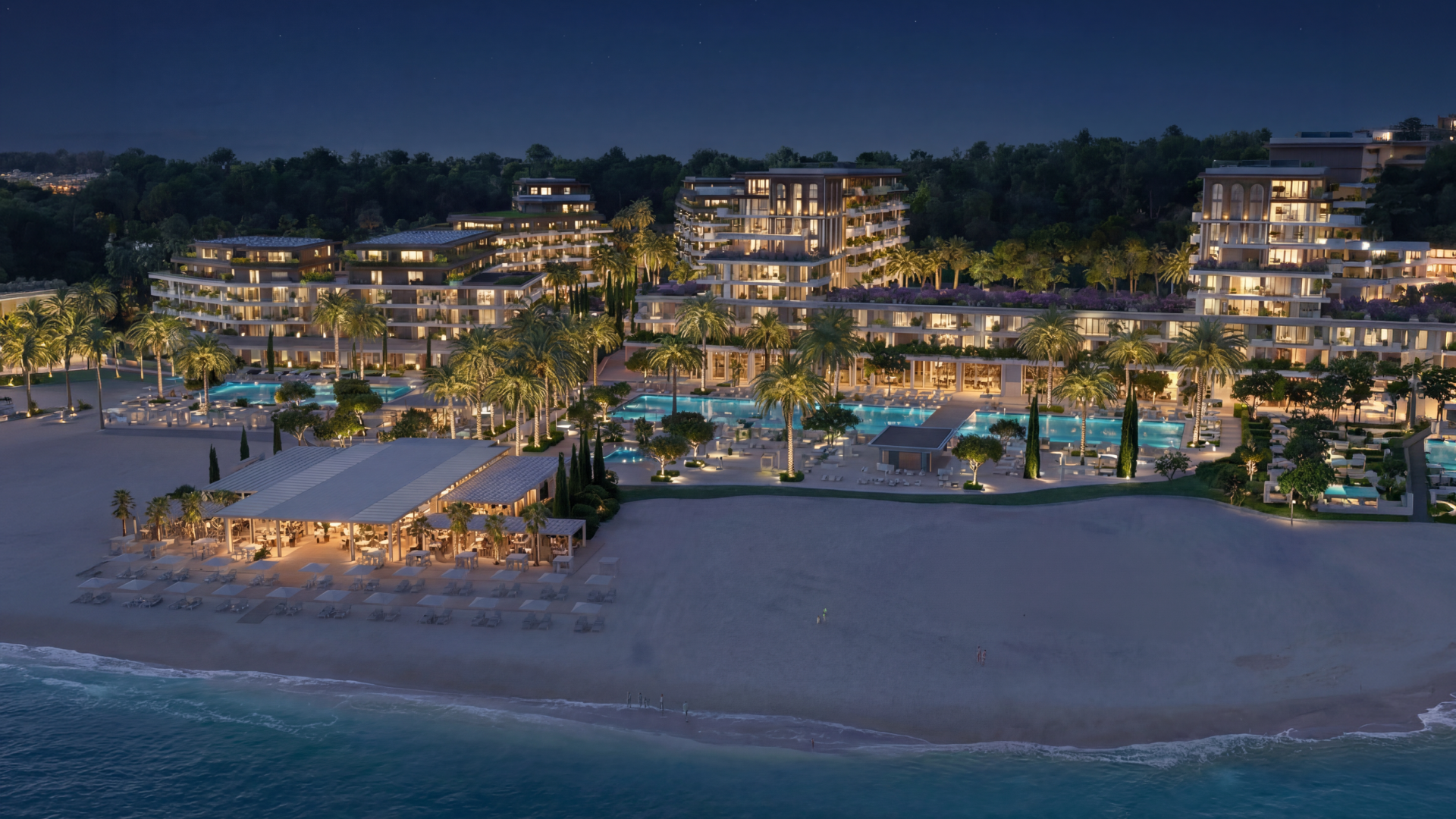
Both beachfront properties and city apartments offer distinct advantages, but they serve different investment objectives and respond differently to market conditions.
Neither option is universally better than the other. The most suitable investment depends on the buyer's financial objectives, intended ownership period, preferred use of the property, and the characteristics of the market in which they invest.

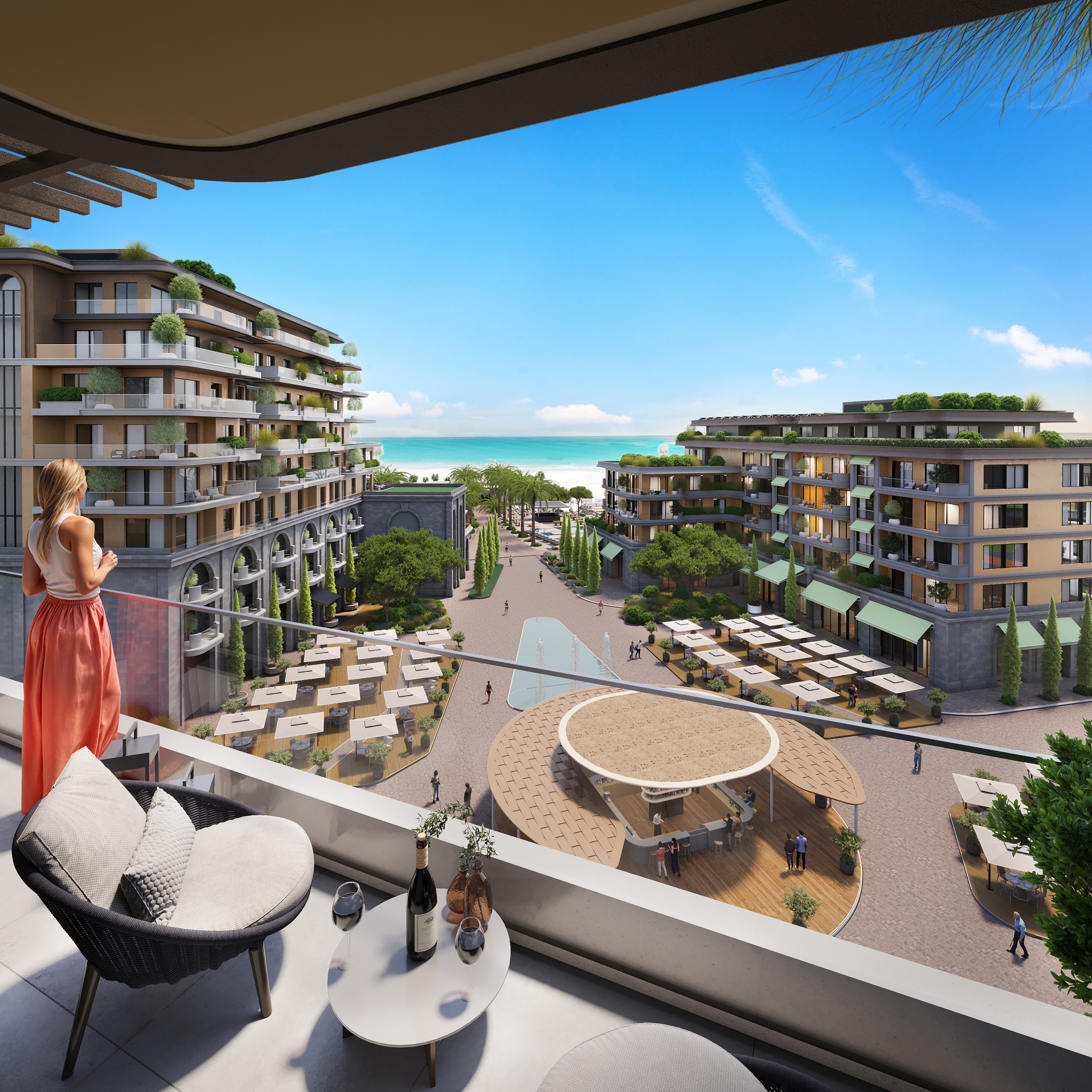
The global real estate market has evolved significantly in recent years. Beyond traditional factors such as location and price, investors are increasingly considering quality of life, lifestyle preferences, accessibility, and the long-term potential of a destination when evaluating investment opportunities.
One of the most noticeable trends is the growing interest in premium coastal real estate. Changes in the way people live and work have encouraged many buyers to look for properties that can serve both as holiday homes and as places for extended stays or remote work. As a result, destinations offering a combination of natural surroundings, modern infrastructure, and high-quality amenities have become increasingly attractive.
At the same time, more international hotel brands are expanding through branded residences and condo hotel developments, combining private ownership with professional hospitality management and premium services. These projects are becoming a familiar part of luxury real estate markets around the world.
According to reports from Knight Frank, Savills, and CBRE, high-quality properties in prime coastal locations continue to attract strong investor interest due to their limited supply and long-term appeal. Although every market has unique characteristics, global trends indicate that well-positioned waterfront developments remain among the most sought-after property types.



Montenegro has increasingly attracted the attention of international investors exploring emerging real estate markets. Its Adriatic coastline, growing tourism sector, improving infrastructure, and rising international visibility have strengthened the country's position as an attractive investment destination.
One of its most distinctive locations is Velika Plaža in Ulcinj, one of the last large undeveloped beachfront areas on the Adriatic coast. Stretching approximately 13 kilometres, this sandy shoreline offers a rare opportunity for carefully planned development while preserving its natural surroundings.
It is here that Porta Rai is being developed—a modern Beachfront Hotel & Residences project based on the condo hotel concept. The development combines private apartment ownership with professional hotel management and offers the facilities typically associated with contemporary hospitality resorts, including wellness amenities, restaurants, sports facilities, and landscaped green areas.
As with any real estate investment, purchasing decisions should be based on a comprehensive evaluation of multiple factors. Location, project quality, the experience of the developer and hotel operator, long-term destination development, and the availability of comparable properties should all be considered before making an investment decision.
Beachfront properties often attract investors because of their limited supply and desirable locations. However, the long-term performance of any investment depends on multiple market factors and the development of the destination.
City apartments generally benefit from consistent demand driven by local residents, students, and professionals. Rental performance, however, depends on the specific location and market conditions.
Key factors include location, the balance between supply and demand, infrastructure development, tourism performance, and the long-term growth of the destination.
Land directly on the coastline is naturally limited, making beachfront properties significantly scarcer than most urban real estate.
No. Like all real estate investments, property values can rise or fall depending on economic conditions, market demand, and local development.
Investors should evaluate location, project quality, infrastructure, market demand, the management model, and the long-term development plans of the destination.
Its Adriatic coastline, tourism growth, infrastructure improvements, and increasing international recognition have contributed to growing investor interest.
In a condo hotel, a professional hotel operator manages the property and hospitality services, while the owner retains private ownership of the apartment according to the project's operating model.